
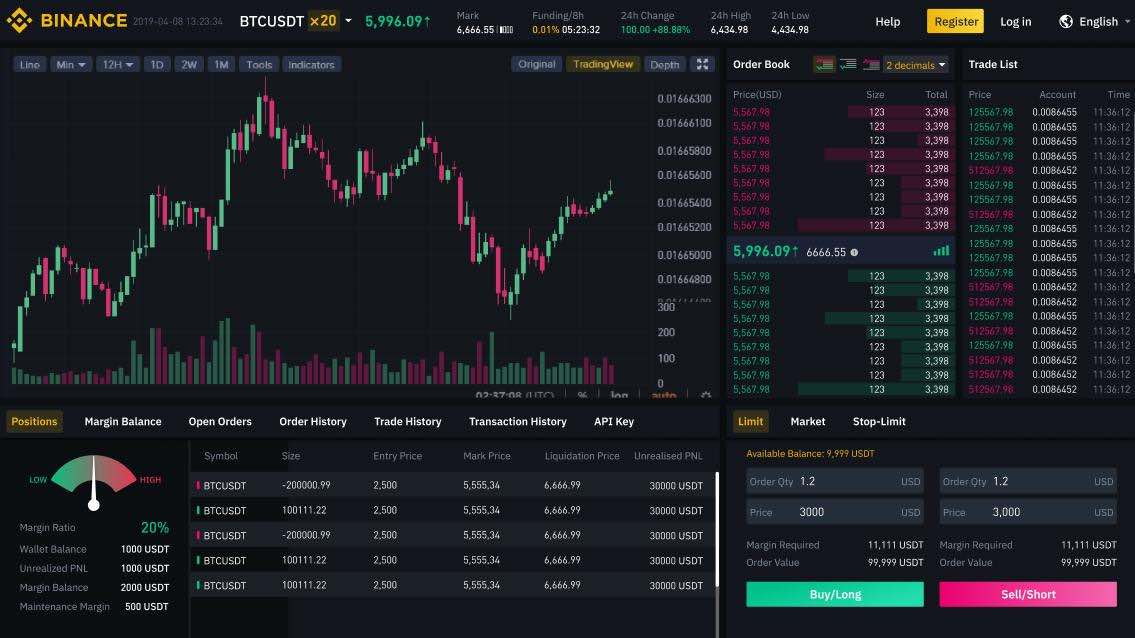
Binance is one of the world’s leading cryptocurrency exchanges, offering a vast platform for trading digital assets across various markets. Its operation in different markets is designed to cater to diverse user needs, regulatory environments, and trading preferences. Understanding how Binance trading works in these distinct contexts can help traders maximize their potential and navigate the complexities involved.
At its core, Binance provides a marketplace where buyers and sellers come together to trade cryptocurrencies such as Bitcoin, Ethereum, and thousands of altcoins. The platform supports spot trading, futures contracts, margin trading, and other financial products that appeal to both novice investors and professional traders. Spot trading involves immediate exchange of assets at current market prices while futures allow users to speculate on price movements without owning the underlying asset.
In global markets where cryptocurrency regulations are relatively clear or lenient-such as parts of Asia or Europe-Binance operates with fewer restrictions. Users benefit from access to a comprehensive suite of tools including advanced charting software, real-time order books, customizable order types (limit orders, stop-limit orders), and high liquidity pools that facilitate smooth transactions even during volatile periods. These features enable traders to execute strategies ranging from day-trading scalps to long-term holds efficiently.
However, Binance’s presence varies significantly depending on local laws governing cryptocurrencies. For example, in countries where crypto regulations are stringent or unclear like the United States or India at certain times, Binance adapts by launching region-specific how similar platforms operate with tailored offerings that comply with local rules. In the U.S., for instance, Binance.US operates separately from the main site providing limited coins but ensuring adherence to regulatory standards such as KYC (Know Your Customer) verification processes and anti-money laundering policies.
Moreover, Binance integrates fiat gateways differently based on regional banking partnerships allowing users in some countries direct conversion between local currencies (USD/EUR/INR/etc.) and cryptocurrencies while others must rely solely on crypto-to-crypto trades due to banking restrictions.
Another important aspect is how liquidity differs across various market segments within Binance itself. Major pairs like BTC/USDT enjoy deep liquidity globally enabling tight spreads whereas smaller altcoin pairs may experience lower volumes causing higher volatility and slippage risk especially during off-peak hours or less active regions.
Additionally,Binance employs sophisticated matching engines that process millions of orders per second ensuring rapid execution which is critical when operating simultaneously across time zones spanning North America through Asia-Pacific regions.
In summary,Binance tailors its operations according to differing market conditions by balancing regulatory compliance,supporting multiple asset classes,and optimizing technological infrastructure.This flexibility allows it not onlyto dominate global cryptocurrency exchange rankings but also provide accessible entry points for diverse trader demographics worldwide regardless of geographic location or legal environment.The result is a dynamic ecosystem where participants can engage confidently knowing they have access toa robust,trusted platform adaptable enoughto meet evolving demands across international crypto markets.


